Garden maintenance on Flask Walk advice for Hampstead residents
If you live near Flask Walk, you already know the charm is half the appeal. The leafy setting, compact front gardens, tucked-away courtyards, and those slightly irregular London plots all ask for a different kind of care. Garden maintenance on Flask Walk advice for Hampstead residents is not really about making everything look perfect; it is about keeping a garden healthy, manageable, and pleasant in a neighbourhood where space, shade, and privacy matter just as much as appearance.
Truth be told, a well-kept garden in Hampstead does more than look nice from the pavement. It helps protect planting, reduces mess, keeps access routes clear, and makes the whole property feel calmer. Whether you manage your own garden or you are comparing local services, this guide walks through the practical details: what needs doing, how often, what to watch for, and how to avoid the little mistakes that turn into bigger jobs later on.
Along the way, you will find a sensible local perspective, not glossy theory. And if you are exploring broader help, the services overview is a useful place to see how routine garden care can be structured around real-life needs rather than one-size-fits-all promises.
Table of Contents
- Why Garden maintenance on Flask Walk advice for Hampstead residents Matters
- How Garden maintenance on Flask Walk advice for Hampstead residents Works
- Key Benefits and Practical Advantages
- Who This Is For and When It Makes Sense
- Step-by-Step Guidance
- Expert Tips for Better Results
- Common Mistakes to Avoid
- Tools, Resources and Recommendations
- Law, Compliance, Standards, or Best Practice
- Options, Methods, or Comparison Table
- Case Study or Real-World Example
- Practical Checklist
- Conclusion
- Frequently Asked Questions
Why Garden maintenance on Flask Walk advice for Hampstead residents Matters
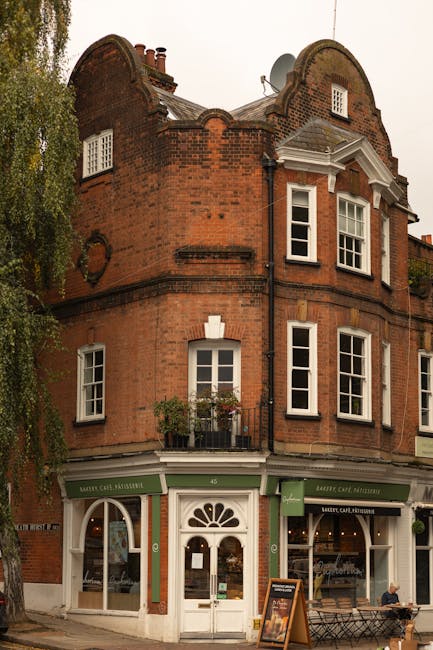
Flask Walk has a very particular feel. It is residential, leafy, and a bit more intimate than many London streets, which means gardens are often visible from the road and shared boundaries can be close. A garden that is left too long can quickly look untidy, but more importantly it can become harder to manage. Overgrown shrubs block light, lawns thin out in shade, paths become slippery, and small weeds seem to take over before you notice.
For Hampstead residents, maintenance also matters because properties often have a mix of mature planting and limited working space. There may be side returns, narrow front gardens, awkward corners, or terraces with containers instead of traditional borders. That needs a more considered approach. A quick cut is fine sometimes, but a proper routine is what keeps things under control.
There is also the practical side. If the garden is used by children, pets, visitors, or delivery access, even a small maintenance delay can create clutter, trip hazards, or broken planting. And in a neighbourhood where people value the look and feel of their homes, that matters more than most people admit. Let's face it, nobody enjoys stepping around a hedge that has decided to stage a rebellion.
Good garden care is not only about appearance either. It supports plant health, helps with drainage, and can reduce avoidable waste. If sustainability is part of your thinking, the recycling and sustainability approach is worth understanding alongside regular maintenance, especially if you want clippings, green waste, and pruning to be handled responsibly.
How Garden maintenance on Flask Walk advice for Hampstead residents Works
In practical terms, garden maintenance usually means a repeatable set of tasks carried out on a schedule that suits the season and the garden itself. On Flask Walk, that might include mowing, edging, hedge trimming, weeding, pruning, leaf clearance, border tidying, watering support, and checking the overall condition of the space. The point is not to do everything every time. The point is to do the right things at the right time.
A sensible maintenance visit normally begins with a quick look at the garden as a whole. Is the lawn dry or patchy? Are the shrubs encroaching onto paths? Are there seasonal issues, such as leaf fall, moss, or shading from nearby trees? Then the work is prioritised. That order matters because a tidy border is no use if the lawn is being scalped, and a neat hedge does little good if the beds are choked with weeds.
Local conditions shape the work quite a lot. Hampstead gardens often deal with partial shade, compacted soil, mature roots, and more moss than a sunny suburban plot. That means garden maintenance has to be more thoughtful than simply turning up with a mower and hoping for the best. A bit of judgement goes a long way. Sometimes the quiet, boring answer is the best one.
If you are comparing regular care options, it can help to look at pricing and quotes early on, not because price is everything, but because garden size, access, and frequency all affect the kind of maintenance plan that makes sense.
Key Benefits and Practical Advantages
There are some obvious benefits to routine garden maintenance, but the less obvious ones are often the most valuable. A well-managed garden tends to need less rescue work later. That sounds simple, but it is one of the biggest time and cost savers for homeowners.
- Better plant health: Regular pruning and weeding reduce competition, improve airflow, and help plants grow more evenly.
- Cleaner appearance: A tidy lawn edge or clipped hedge makes a big difference, especially in front gardens that are visible from the street.
- Safer access: Clear paths, trimmed growth, and removed debris lower the risk of slips and trip hazards.
- Less stress: A garden that is kept in hand is much less daunting than one that needs a full day of recovery work.
- Seasonal resilience: Gardens that are maintained through the year cope better with dry spells, heavy leaf fall, and sudden growth spurts.
There is also a property-value angle, though it should not be overstated. A neat, usable outdoor space tends to support the overall impression of the home. That is particularly relevant in Hampstead, where details matter and buyers or guests notice them quickly. A few minutes spent on edges, weeds, and planting can change the whole mood of a place. Oddly enough, the smallest jobs are often the ones people feel most strongly.
From a practical maintenance perspective, routine work can also reveal issues earlier. Broken fencing, weak drainage, dying shrubs, and pest damage often show up during a tidy-up long before they become obvious from a distance.
Who This Is For and When It Makes Sense
Garden maintenance on Flask Walk advice for Hampstead residents is relevant to a broad mix of people, not just homeowners with large gardens. In fact, many of the most time-sensitive jobs happen in smaller spaces that look easy from the street but are awkward to maintain properly.
This guidance makes sense if you:
- own a front garden or courtyard that needs regular tidying
- manage a rental property and want outdoor space kept presentable
- have limited time and prefer scheduled upkeep over occasional big clear-outs
- struggle with heavy pruning, hedge cutting, or seasonal leaf fall
- want your garden to look good without turning weekends into endless chores
- need a reliable routine for mature planting or mixed borders
It is also relevant if you are preparing a property for viewings, guests, or a special event. A couple of hours of focused maintenance can make a small garden feel ready for use again. And if your garden has become a bit unruly, starting with a proper first cut or reset is often the cleanest way back. No shame in that at all. Gardens get away from everybody now and then.
If reliability, safety, and professional standards matter to you, it is worth reviewing the company's insurance and safety information before you book anything. It is one of those practical checks people sometimes skip until they wish they had not.
Step-by-Step Guidance
Here is a straightforward way to approach garden maintenance in a Flask Walk setting. This is not a rigid formula, just a sensible working pattern that suits many Hampstead gardens.
1. Walk the garden first
Before any cutting or pruning, look at the whole space. Notice where the sun falls, where water sits after rain, which shrubs are crowding others, and whether there are hidden weeds or damaged areas. A five-minute walk-through often saves twenty minutes of rework later.
2. Clear obvious debris
Pick up fallen branches, litter, dead leaves, and anything blocking paths or beds. This makes the rest of the job easier and safer. If a garden has been left for a while, clearing first is a bit like opening the curtains before cleaning the room.
3. Mow or trim the lawn appropriately
Do not cut too low just because the grass is long. In shaded or stressed areas, a gentler cut is usually better. If the grass is patchy, thin, or damp, a careful approach helps avoid scalp marks and unnecessary stress to the turf.
4. Tidy edges and borders
Sharp edges make even a small garden look cared for. Border lines, path edges, and around tree bases are often where untidiness starts to show. A little precision here has a big visual effect. Really big, sometimes.
5. Weed with purpose
Weeding works best when done regularly, not only when the garden is already overrun. Focus on roots where possible and remove seed heads before they spread. In paved areas, small weeds should be tackled before they anchor themselves into joints.
6. Prune with a reason
Pruning should improve structure, airflow, and shape, not just reduce size. If you are unsure, it is usually better to take a little less off than too much. Heavy pruning at the wrong time can weaken flowering shrubs or expose plants to stress.
7. Check watering and feeding needs
Container plants and younger shrubs may need more regular watering than the rest of the garden, especially in dry weather. Feeding should be balanced and seasonal. Overfeeding is a common mistake; more is not automatically better.
8. Finish with a visual sweep
Step back. Look from the doorway, the pavement, and the windows if possible. Does the garden feel balanced? Are there awkward patches, stray clippings, or missed corners? This final glance catches the things people notice first and forget to mention. Small detail, big difference.
Expert Tips for Better Results
A few practical habits can make garden maintenance easier and more effective, especially in a London neighbourhood where space and time are tight.
Expert summary: keep the garden on a rhythm, not in crisis mode. Little and often usually beats occasional heroic effort. That is especially true for lawns, hedges, and borders that respond badly to neglect followed by a big cut.
Here are the details that tend to matter most:
- Cut lawns little and often: This helps reduce shock and keeps the finish more even, particularly in mixed light.
- Watch the shade: Flask Walk gardens often have shaded zones where moss and sparse growth appear. These areas need a gentler routine, not brute force.
- Use the right season for the task: Some shrubs respond best to post-flowering pruning, while others are better left until dormant periods.
- Keep an eye on access: Narrow side passages and steps can become slippery or cluttered quickly, especially after rain.
- Do a quick check after windy weather: Hampstead trees and hedges can shed a surprising amount of material after a blustery day.
A small but useful habit is to keep a garden bag or trug nearby for loose debris. It saves repeated trips and reduces the temptation to leave a pile "for later". Later has a funny habit of turning into next week.
If you are arranging professional care, ask about working practices and how waste is handled. A reliable provider should be able to explain their process clearly, and a clear explanation is always a good sign.
Common Mistakes to Avoid
Most garden problems do not start with one dramatic error. They usually begin with several small oversights. The good news is that these are easy to avoid once you know what to watch for.
- Cutting too much at once: This can shock lawns and shrubs and make recovery slower.
- Ignoring shade and soil conditions: A sunny-garden routine does not always work in a tree-lined Hampstead setting.
- Leaving weeds until they seed: Then the job gets much bigger, which nobody wants.
- Pruning without checking the plant type: Some plants flower on old wood, so timing matters.
- Using the same approach all year: Seasonal changes should shape the work.
- Forgetting waste removal: Clippings, branches, and debris can quickly make a tidy space look messy again.
One of the most common missteps is treating maintenance as a rescue operation only. That usually leads to tired lawns, overgrown hedges, and a garden that never quite settles. A lighter touch, repeated more often, is far easier to live with.
Another mistake? Focusing only on the visible bits from the front. It is understandable, but back corners, side returns, and hidden beds tend to be where problems begin. They do not stay hidden forever.
Tools, Resources and Recommendations
For smaller jobs, a basic set of well-kept tools is usually enough. You do not need a shed full of gadgets to keep a Hampstead garden in order, though a sharp pair of secateurs does help more than people realise.
| Task | Useful tool | Why it helps |
|---|---|---|
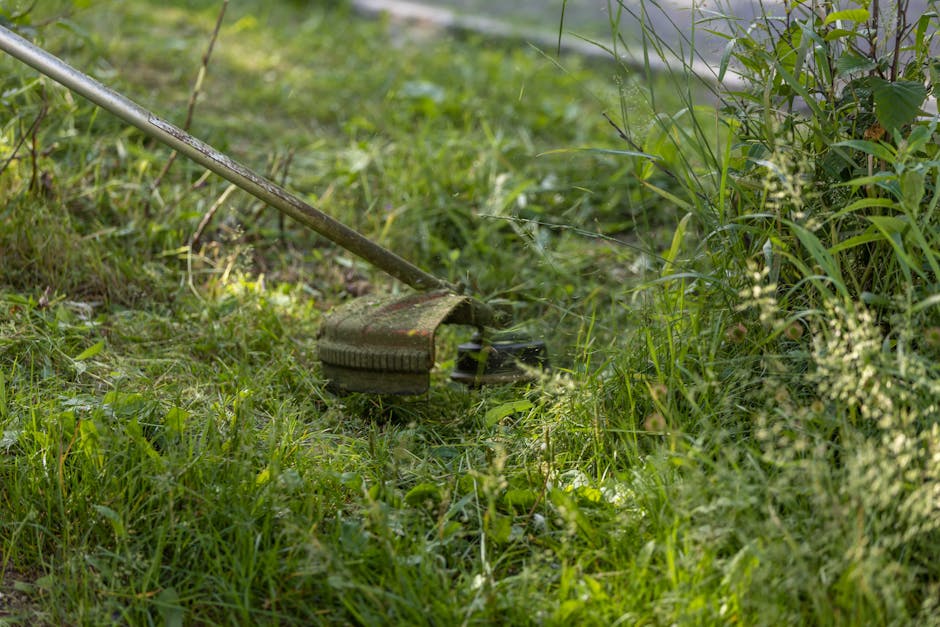
| Lawn trimming | Reliable mower or strimmer | Keeps grass even and prevents overgrowth |
| Edging | Half-moon edging tool or edging shears | Creates a clean boundary along paths and borders |
| Pruning | Secateurs and loppers | Helps cut stems cleanly without crushing them |
| Weeding | Hand weeder and narrow trowel | Lets you remove roots and work in tight spaces |
| Clear-up | Rake, garden bags, stiff broom | Speeds up waste collection and finishing |
For residents who prefer not to manage the tools and timing themselves, professional support can make a lot of sense. A service-led approach can be especially useful where the garden is awkward, access is tight, or the planting needs more careful handling than a quick tidy can provide. If you are considering a regular plan, requesting a tailored quote is usually the simplest first step.
It is also worth checking how a provider handles customer communication and issues. That may sound unglamorous, but it matters. A clear complaints procedure and transparent payment and security approach are practical signs that the business is set up properly.
Law, Compliance, Standards, or Best Practice
Garden maintenance is not usually a heavily regulated service in the way some other trades are, but there are still important standards and expectations. On a practical level, anyone working on your property should use safe methods, take care around tools and walkways, and avoid causing damage to plants, walls, paving, or neighbouring areas.
For residents, best practice usually means a few simple things: check that the work provider is insured, make sure access arrangements are clear, and ask how waste is removed or recycled. If chemical treatments are involved, they should be used cautiously and only where appropriate. In many gardens, non-chemical control and routine maintenance are better long-term choices anyway.
Health and safety should never be treated like a box-ticking exercise. If ladders, powered equipment, or awkward access points are part of the job, there should be a sensible method in place. You can review the provider's health and safety policy for a better sense of how seriously that side is taken.
There is also a broader ethical side. If you care about responsible working practices and waste handling, it helps to choose a company that explains its standards clearly, including its modern slavery statement and related commitments. That may feel like a side note, but it tells you something important about the organisation behind the service.
Options, Methods, or Comparison Table
People often compare a few different ways of keeping a garden in shape. There is no single best answer. It depends on time, budget, garden size, and how much precision the space needs. Here is a simple comparison that may help.
| Approach | Best for | Pros | Limitations |
|---|---|---|---|
| DIY maintenance | Small, simple gardens and hands-on owners | Flexible, inexpensive, immediate control | Time-consuming, can drift out of routine, tools required |
| Ad hoc tidy-ups | Occasional clean-ups before events or seasonal resets | Good for visible improvement quickly | Can become reactive and miss long-term care |
| Regular professional maintenance | Busy households, rental homes, or more complex gardens | Consistent standards, less stress, better continuity | Requires scheduled visits and ongoing budget |
In many Flask Walk gardens, a hybrid approach works best. Some residents handle simple watering or occasional pot care themselves and bring in help for mowing, hedge work, or seasonal clear-outs. That sort of arrangement is practical and often cost-effective. Nothing fancy. Just sensible.
Case Study or Real-World Example
Imagine a typical Hampstead terrace garden: narrow frontage, a small lawn, two shrubs that have crept out a little too far, a shaded back section, and a side path that collects damp leaves. At first glance, it looks manageable. Then real life happens, and three weeks pass. Suddenly the path is slick, the grass has flopped sideways, and the front border looks less like planting and more like a small botanical argument.
A practical maintenance visit would usually begin with clearing the path and collecting debris, then mowing lightly rather than heavily. The shrubs would be trimmed enough to restore shape without stripping them bare. Weeds in the paving would be removed before they settle in for the long haul. The shaded back area might be left with a slightly higher mowing height and a check for moss or compacted patches. Finally, the waste would be bagged and removed so the space is actually finished, not just cut.
The result is rarely dramatic in a glossy way. It is better than that. The garden starts to feel usable again. Light comes back into the corners, the entrance looks cared for, and the owner can breathe a bit easier. That is the real win.
Practical Checklist
Use this before, during, or after a maintenance session. It keeps things simple.
- Check the garden from the pavement and from inside the property
- Remove loose debris, fallen branches, and obvious litter
- Decide whether the lawn needs a light cut or a more careful tidy
- Inspect hedges, shrubs, and climbers for overgrowth
- Pull visible weeds before they flower or seed
- Look for slips, trip hazards, and blocked access points
- Confirm whether any plants need watering or feeding
- Check for drainage issues, moss, or compacted soil in shaded areas
- Bag and remove waste properly, or arrange collection
- Walk the garden one last time and make sure it feels finished
If you want a cleaner, simpler experience, it helps to work with a provider that communicates clearly about service scope, safety, and billing. That is where support pages like accessibility information and the main site can be useful for understanding how the business operates before you commit.
Conclusion
Garden maintenance on Flask Walk advice for Hampstead residents comes down to something quite straightforward: keep the garden in rhythm, respect the conditions it actually has, and avoid letting small jobs snowball. A Hampstead garden may be compact, shaded, mature, or a bit awkward to access, but that does not mean it has to become difficult. With regular care, you get a space that looks better, works better, and feels easier to live with.
The best approach is usually calm and consistent. Not flashy. Not rushed. Just a routine that fits the property and the people who use it. And if you are weighing up whether to manage it yourself or bring in help, trust the evidence in front of you: if the garden keeps slipping out of hand, it is probably asking for a better system rather than more effort from you.
Get a free quote today and see how much you can save.
There is something deeply satisfying about stepping into a garden and feeling it has been properly looked after. Small thing, maybe. But it changes the day.
Frequently Asked Questions
How often should garden maintenance be done on Flask Walk?
For many Hampstead gardens, a light weekly or fortnightly routine works well in the growing season, with seasonal jobs added as needed. The right frequency depends on how fast the garden grows, how shaded it is, and how visible the space is from the street.
Is professional garden maintenance worth it for a small London garden?
Often, yes. Small gardens can be deceptively fiddly, especially if they have narrow access, mixed planting, or shaded corners. Professional care can save time and help prevent the garden from becoming a series of catch-up jobs.
What tasks are usually included in regular garden maintenance?
Common tasks include mowing, edging, weeding, hedge trimming, pruning, leaf clearance, and tidying borders. Some visits also include waste removal and basic checks for plant health or access hazards.
What should Hampstead residents watch out for in shaded gardens?
Shaded areas often develop moss, slower grass growth, damp leaves, and compacted soil. Plants in these spots usually need a gentler maintenance plan, not the same treatment as a bright, open lawn.
Can maintenance help prevent expensive garden repairs later?
Yes, it often can. Regular upkeep helps spot issues early, such as poor drainage, dead shrubs, broken fencing, or invasive weeds. Fixing small problems early is usually far easier than restoring a neglected garden later.
Do I need to be home during the maintenance visit?
Not always. Many residents prefer to arrange access in advance and carry on with their day. What matters most is that the scope of work, timing, and access details are agreed clearly beforehand.
How do I compare quotes for garden maintenance?
Look beyond the headline price. Check what is included, how often visits take place, whether waste removal is part of the service, and whether the provider is insured. A cheaper quote is not always better if it leaves half the work undone.
What is the best time of year for hedge trimming and pruning?
That depends on the type of plant, because different shrubs and hedges respond best at different times. As a general rule, it is safer to prune with the plant's growth cycle in mind rather than simply cutting whenever it looks untidy.
How can I make my garden easier to maintain long term?
Choose plants suited to the light levels, keep borders mulched where appropriate, avoid overcrowding, and stay on top of weeds before they spread. A garden designed for its conditions is always easier to maintain than one that is constantly fighting its own layout.
What if I am unhappy with the service I receive?
A reputable provider should have a clear way to resolve issues. It is sensible to check the complaints procedure before booking so you know how concerns are handled if something does not go to plan.
Are green waste and clippings handled responsibly?
They should be, ideally. Good practice is to remove waste safely and recycle or dispose of it in line with environmental standards where possible. If sustainability matters to you, ask directly how waste is dealt with before work begins.
What is the next sensible step if my garden has got out of hand?
Start with a proper assessment rather than trying to do everything in one go. Decide whether you need a one-off reset, regular visits, or a combination of both. From there, you can choose a plan that feels realistic instead of overwhelming.