Lawn Mowing in Hampstead

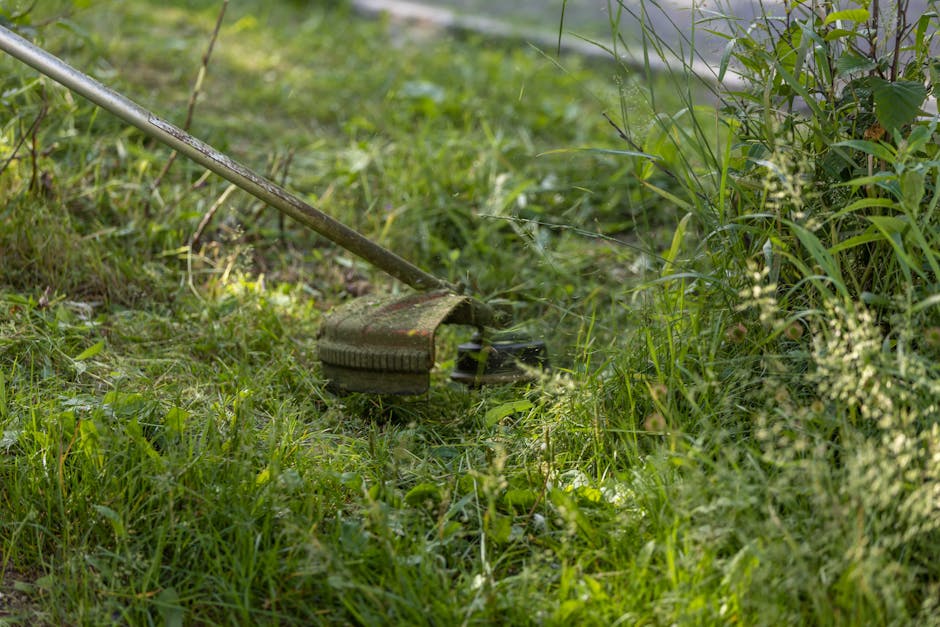
Lawn mowing in Hampstead should be neat, regular and responsive to the shape of the garden, not treated as a one-size-fits-all job. Our service is centred on keeping residential and commercial grass areas cut to a sensible finish, with attention to edges, access points and the overall look of the space. We handle routine mowing as part of a wider garden maintenance approach when that is the right fit, so the grass does not become patchy, overlong or difficult to bring back under control.
Some lawns need a simple weekly or fortnightly cut, while others benefit from less frequent attention after a growth surge, renovation or seasonal change. We can also support mixed outdoor spaces where grass sits alongside beds, paths, steps or planting, and where a tidy result depends on more than just the mower pass itself. If you are comparing options, keep your focus on how the service is delivered, what is included and whether it suits the scale of the area. Clear, regular mowing helps create a finish that feels maintained rather than merely cut.
When you are ready to discuss your garden or grounds, a brief enquiry is enough to begin. You do not need to over-explain the job, but it helps to mention the size of the lawn, whether the grass is currently overgrown and whether there are awkward sections that need careful handling. Ask for a quotation once you have a clear idea of the scope.
Routine Grass Cutting and Seasonal Care
Routine mowing is most effective when it follows the natural rhythm of growth. In spring and early summer, grass can lengthen quickly and may need closer attention to avoid becoming coarse or unbalanced. Later in the year, a steadier pattern often works better, especially where you want to preserve colour and reduce stress on the lawn. Our grass cutting work is aimed at keeping the surface presentable while respecting the condition of the turf, rather than taking too much off in one visit.
Seasonal care also involves sensible timing. Wet ground, drought and recent reseeding can all affect how mowing should be carried out. Cutting too early after poor weather can leave ruts or clumping, while leaving it too long may make the lawn harder to manage neatly. If your grounds include shaded sections, open borders or narrower strips, those features influence the approach as well. A good cut should leave the lawn looking even without pulling attention to uneven patches.
In some gardens, mowing is only one part of the overall maintenance picture. Edging, leaf removal and light tidying can matter just as much to the finished result. Where useful, these jobs can sit alongside garden clearance if the space also needs a more substantial reset, though the exact scope should always be agreed clearly. That helps avoid confusion about what is included and what needs separate attention.
What a Well Kept Lawn Service Can Include

A well kept lawn service is about more than moving across the grass once with a machine. The best results usually come from considering cut height, access, edging and the condition of surrounding surfaces. In practical terms, that can mean trimming the main lawn area, tidying boundary lines and leaving paths, patios and stepping stones clear of loose cuttings. Where appropriate, we can also discuss complementary help through hedge trimming so the whole garden feels more balanced.
Not every lawn needs the same treatment. Some have formal edges that benefit from precision, while others are more relaxed and suit a softer finish. Slopes, tree roots, narrow side returns and decorative features can all affect how the work is carried out. If the grass has become long, it may be sensible to reduce it gradually rather than forcing a severe cut in one visit. That approach can protect the lawn and produce a cleaner finish over time.
Useful details to share when asking for a quotation include:
- the approximate size of the lawn or number of separate grass areas
- whether the grass is regularly maintained or currently overgrown
- if access is straightforward or involves gates, side passages or steps
- whether you want edging, clippings removal or related tidy-up work
Managing Different Lawn Types
Different lawns respond differently to cutting, even within the same property. Family gardens often need practical mowing that keeps play areas usable, while front lawns may need a more decorative finish with careful lines and crisp edges. Shared outdoor areas can require a steadier approach so the surface remains consistent and easy to look after. Where a lawn is part of a broader layout, thoughtful mowing helps preserve the garden’s structure instead of making every section feel identical.
Some grass areas are straightforward and open, while others sit close to planting, fences or garden buildings. That affects how the mower is used and whether finishing tools are needed at the margins. If a lawn forms part of a larger transformation, services such as landscape gardening may also be relevant, especially where paths, beds or level changes are being introduced. The key is to match the mowing style to the space instead of forcing the space to suit the equipment.
For lawns with inconsistent growth, a careful approach can help avoid visible stripes of different heights or areas that look rushed. Gardens with moss, shade or heavy footfall may need extra caution, because those conditions can leave the surface more vulnerable to damage. Good mowing practice respects those limits and keeps the grass cut in a way that supports future maintenance rather than undermining it.
Overgrown Grass and Restoring Order
Overgrown grass needs a different approach from a standard maintenance cut. When the lawn has been left for too long, the first pass may need to be lighter and more controlled, with any follow-up work agreed according to the condition of the surface. The aim is to bring the area back to a manageable state without leaving torn blades or a stressed, uneven finish. This kind of work is often best handled as part of a broader tidy-up rather than as a quick standalone trim.
Restoring order can also involve dealing with what has collected in the grass itself. Leaves, twigs and scattered debris can interfere with cutting and affect the final result. If the lawn is part of a larger outdoor reset, a garden maintenance visit may be the most practical way to handle mowing together with light clearing and finishing tasks. That keeps the service focused and reduces the risk of repeating the same disruption across separate appointments.
When a lawn has been overgrown, clients often want a realistic idea of what can be achieved in a single visit. The answer depends on the current height, the weather, the amount of debris and how the grass has responded to previous neglect. A sensible quotation will reflect those variables rather than assuming every overgrown lawn can be treated the same way. Ask for a quotation if you want the work assessed against the actual condition of the site.
Hedges, Borders and the Edges That Shape the Finish

A lawn may be the main feature, but the edges around it often determine whether the whole garden looks finished. Borders, kerbs, beds and fence lines all influence the impression created by the cut. When those details are ignored, even a freshly mown lawn can look untidy. That is why edge work matters in any service focused on presentation and upkeep. It helps the main grass area sit neatly within the rest of the garden.
If your garden also needs attention to woody planting, a separate hedge trimming service can support the overall look. Trimmed hedges often make mowing lines feel sharper and reduce the sense that the garden is closing in on the lawn. In a similar way, well-managed borders can make it easier to move around the space and keep future maintenance straightforward. A tidy edge is a small detail, but it has a noticeable effect on the finished result.
For properties with more established planting, the right mower setting and careful positioning are especially important. Grass that sits tight against shrubs or climbing plants may need a gentler touch so the cut remains neat without disturbing nearby growth. We also recognise that some clients want a simple practical cut, while others want a more refined presentation. Both are valid, but the work should be planned with the garden’s structure in mind.
Practical Scheduling and Quotation Details
Clear scheduling makes lawn mowing easier to manage and easier to budget for. If a property needs repeat visits, the pattern can be based on how quickly the grass grows and how tidy you want the space to remain between cuts. For one-off work, it helps to agree the condition of the lawn at the outset, especially if the grass has not been maintained recently. That way, the quotation reflects the actual task rather than an assumption about standard upkeep.
Two pieces of information are particularly useful when you enquire: whether the lawn is accessible without moving obstacles, and whether you want additional finish work such as edging or debris collection. Mentioning these things early avoids confusion later and keeps the quotation focused. There is no need for a long explanation; simple, accurate details usually work best. If the garden includes multiple grass areas, it also helps to say whether they should all be treated in one visit or in stages.
For customers comparing providers, the main thing is to look for a service that is clear about scope, careful with the surfaces involved and able to keep the lawn consistently tidy. If that sounds like the right fit, get in touch and ask for a quotation. A straightforward enquiry is often the fastest way to begin.
Related Outdoor Services for a Broader Maintenance Plan

Many properties need more than mowing alone to keep the outdoor space looking finished. If the grass sits alongside uneven borders, heavier planting or seasonal build-up, it can make sense to look at related work in the same plan. Our service area may also include garden clearance where rubbish, cuttings or unwanted growth need removing before the lawn can be cared for properly. That can be especially helpful after long gaps between visits.
In properties where the outdoor layout is changing, broader improvements may also involve landscaping. That is a different type of work from simple mowing, but it can sit alongside lawn care when the aim is to improve the usability and appearance of the whole space. Clear boundaries between services matter, because the right solution depends on whether the job is routine maintenance, recovery work or a larger redesign.
There is also a practical link between mowing and other forms of maintenance when the site includes trees, shrubs or structural planting. Cutting the grass is easier to plan when surrounding growth is under control, and the overall result tends to last longer. Well sequenced maintenance can prevent one task from undoing the progress of another, which is why some customers prefer to think in terms of an ongoing care plan rather than isolated jobs.
About Hampstead
Hampstead is a well-known area in north London, centred on one of the capital’s more recognisable hills and long associated with village character, literary culture and distinctive residential streets. The area developed from an old settlement with mineral springs and later became a favoured place to live for artists, writers and professionals drawn to its elevated setting and greener surroundings. Hampstead Heath is one of its defining landscape features: a large open space with woodland, ponds, wide views and informal paths that give the district much of its identity. Around it, the built environment ranges from Georgian and Victorian houses to elegant terraces and side streets that reflect different phases of urban growth. Hampstead Underground station, the church of St John-at-Hampstead, and the historic Flask Walk area are among the better-known points of reference, while nearby cultural institutions add to the area’s reputation for independent cafés, bookshops, galleries and theatres. The result is a district that feels both highly local and strongly connected to the wider city. Its streets are often busy, yet many retain a quieter, more enclosed atmosphere than surrounding parts of Camden and north-west London. The mix of architecture, open space and cultural history makes Hampstead a distinctive place within London’s broader urban fabric, with a character shaped as much by its long memory as by present-day life.
Lawn Care That Suits the Property
A sensible lawn mowing service should match the property rather than forcing every garden into the same pattern. Some spaces need careful, regular attention to maintain a polished look. Others mainly need reliable cutting that keeps the grass within manageable bounds. We focus on the practical details that affect the outcome: the shape of the lawn, the ease of access, the condition of the turf and any surrounding features that need care. That makes the service more adaptable and usually more useful.
Where a lawn is part of a more extensive garden, the cut may be planned around adjoining tasks such as hedge work, clearing or landscape changes. For example, gardens that also need broader changes might involve services overview discussions so the right work is grouped together without wasting time or duplicating effort. A good plan keeps the process organised and helps you decide what should happen now and what can wait until later in the season.
If you are ready to move forward, keep your request simple and specific. Say what the grass looks like now, what finish you want and whether there are any awkward areas that need particular attention. Then ask for a quotation. The clearer the brief, the easier it is to set out a practical and fair scope of work.
Preparing for a Quote and Next Steps
Before requesting a quotation, it helps to think about the lawn in a practical way rather than as a vague outdoor job. Note whether the grass is current or neglected, whether there are several separate areas and whether the surface is likely to need a lighter first cut. If the garden includes steep spots, narrow runs or obstacles, mention those too. The aim is not to overload the enquiry with detail, but to provide enough context for a useful response.
Where lawns are part of a larger outdoor programme, it can also be sensible to consider whether any follow-on work should be discussed at the same time. For instance, some properties benefit from pricing and quotes information when comparing different combinations of maintenance and tidying work. That does not replace a direct enquiry; it simply helps customers understand how the job may be structured before they commit to anything.
For a straightforward start, send the essentials and ask for a quotation. If you need ongoing mowing in Hampstead, or a one-off cut to bring the grass back under control, we can discuss the most suitable approach and confirm the scope clearly. The best next step is simple: ask for a quotation when you are ready.