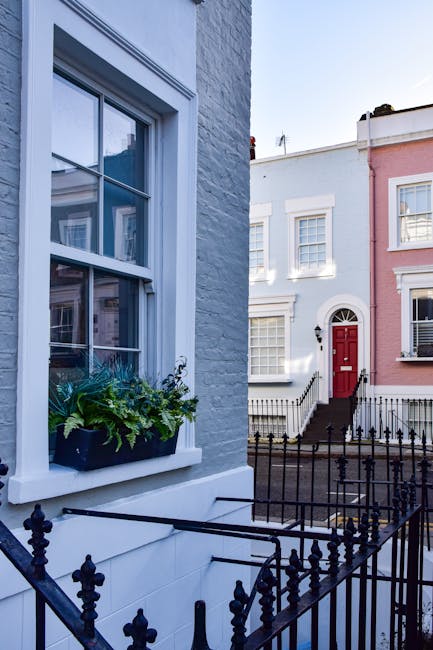
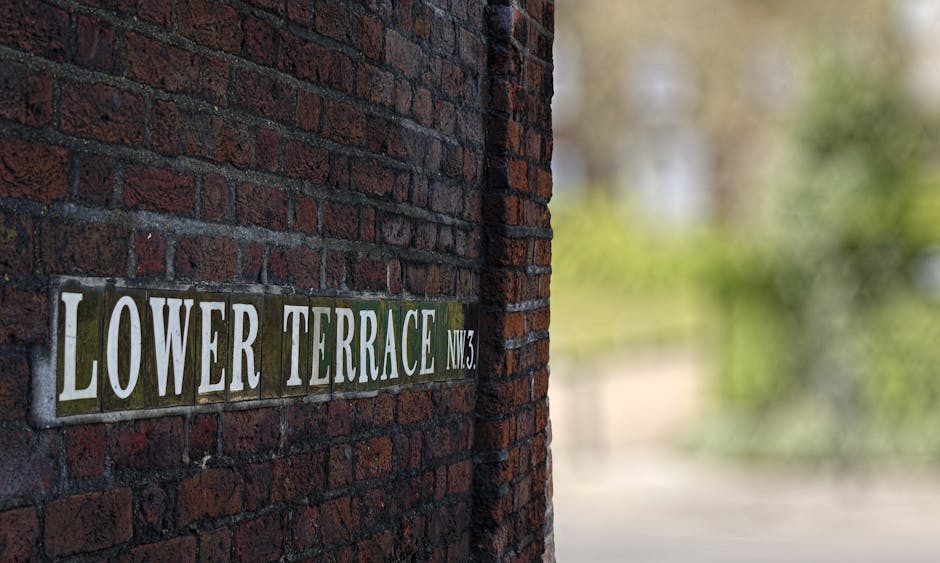
Hampstead garden maintenance for NW3 townhouses Rosslyn Hill
If you own or manage a townhouse near Rosslyn Hill, you already know the garden can be one of the best parts of the property - and, frankly, one of the easiest to let slide. Hampstead garden maintenance for NW3 townhouses Rosslyn Hill is not just about keeping things neat. It is about protecting kerb appeal, preserving mature planting, managing awkward access, and making sure the outside space feels as considered as the house itself. A small front garden, a shaded courtyard, or a long rear terrace all need a slightly different touch. That is where regular, well-planned maintenance makes the difference.
In this guide, we will break down what professional garden maintenance actually involves, why it matters in this part of London, and how to judge what your townhouse garden needs across the seasons. You will also find a practical checklist, a comparison of common maintenance approaches, and a few real-world observations from the sort of gardens that tend to appear around NW3. Nothing fluffy. Just useful detail.
Why Hampstead garden maintenance for NW3 townhouses Rosslyn Hill Matters
Townhouse gardens in this pocket of Hampstead are usually doing several jobs at once. They may soften a period facade, provide privacy from neighbouring properties, offer a play space, or create a quiet place to sit out with a coffee on a bright morning. They are also often compact, enclosed, and more exposed to foot traffic, shade, and root competition than people expect. The result? A garden can look good for a few weeks and then suddenly feel tired, cluttered, or overgrown.
Rosslyn Hill and the surrounding NW3 streets tend to have mature trees, varied light levels, and a mix of front courtyards, narrow side returns, and more generous rear gardens. That means maintenance is rarely a simple "mow and sweep" job. You may need hedge control, border reshaping, soil care, seasonal planting, leaf removal, and careful pruning - all without making the space feel stripped bare. And let's face it, a townhouse garden has to look respectable from the inside too. When you look out of the kitchen or drawing room window, you want calm, not a jungle having a moment.
There is also the practical side. Poor garden upkeep can block drainage channels, encourage moss and weeds, make paving slippery, and allow shrubs to encroach on windows or paths. In dense residential streets, that can quickly become more than just an aesthetic issue. A well-maintained garden feels easier to use, easier to look after, and easier to sell if that day comes.
Key takeaway: in NW3 townhouse gardens, maintenance is less about routine tidying and more about preserving the balance between beauty, usability, privacy, and long-term plant health.
How Hampstead garden maintenance for NW3 townhouses Rosslyn Hill Works
Good maintenance starts with assessment. Before any cutting, sweeping, or replanting, an experienced gardener will usually look at light, access, plant health, drainage, seasonal growth, and the layout of the space. That matters because a shaded north-facing courtyard behaves very differently from a sunny rear garden or a narrow front plot beside stone steps.
In practice, maintenance tends to be a blend of recurring tasks and occasional corrective work. A tidy front garden may need light visits every few weeks in spring and summer, then more selective visits through autumn and winter. Larger or more established gardens may need a structured plan built around pruning windows, flowering cycles, and lawn care. For townhouse owners, a lot depends on how much of the garden you want to manage in-house and how much you want handled professionally.
Typical maintenance can include:
- lawn mowing, edging, and seasonal lawn care
- hedge trimming and shaping
- deadheading, weeding, and border tidying
- shrub pruning and formative pruning
- leaf clearance and green waste removal
- pressure-free cleaning around paths and hard edges where appropriate
- plant replacement or light seasonal planting
- soil conditioning, mulching, and general plant support
The better providers also think ahead. For example, if a laurel hedge is getting too dense, it is better to manage it gradually than to hack it back and leave a brown, unhappy face for three months. Same with roses, wisteria, or climbers on brickwork. Timing matters. Shape matters. A lot more than most people realise, to be fair.
You may also want a more integrated service if the garden forms part of a broader property care routine. In that case, it can be useful to look at a wider services overview to understand what sits alongside maintenance, such as clearance or light landscaping support.
Key Benefits and Practical Advantages
There is the obvious benefit: the garden looks better. But that is only part of the story. In a townhouse setting, regular garden maintenance does a lot of quieter work in the background, and that is often where the real value is.
- Better first impressions. A tidy front garden frames the whole property, especially on streets where homes sit close together.
- More usable space. A garden you can actually walk through, sit in, and enjoy is worth far more than an overgrown one.
- Healthier plants. Pruning, feeding, mulching, and seasonal care all help plants perform properly instead of just surviving.
- Reduced long-term repairs. Clear pathways, controlled roots, and managed growth help avoid damage to paving, edging, and nearby structures.
- Easier seasonal transitions. Gardens that are maintained regularly are much easier to prepare for spring growth or autumn leaf fall.
- Less stress for busy owners. If you work long hours or split time between homes, regular upkeep stops the garden becoming a weekend burden.
There is also something subtle that people notice when a townhouse garden is looked after well: it makes the whole property feel lived in, but not neglected. That is a fine line. In Hampstead, where architecture and outdoor space often sit very close together, it matters more than people think.
Who This Is For and When It Makes Sense
This kind of maintenance is a strong fit for several types of property owners and residents. If you see yourself in any of the following, the answer is probably yes, it makes sense.
- Homeowners with limited time who want the garden to stay in good shape without spending every Saturday morning on it.
- Landlords or property managers looking to keep a townhouse presentable for tenants, viewings, or inspections.
- Families who need a safe, tidy, usable outdoor area rather than a project that never quite gets finished.
- Older gardens with mature planting where careful, regular attention prevents heavy remedial work later.
- Properties with awkward access such as narrow side passages, basement steps, or small enclosed rear plots.
It also makes sense when the garden is technically "small" but surprisingly demanding. Small gardens can be more work than larger ones because every weed, fallen leaf, and untidy edge is visible. There is nowhere to hide. You know the type - ten minutes of rain and suddenly the paving looks as though autumn has moved in early.
If your garden has mature hedging, decorative topiary, climbing plants, or seasonal borders, maintenance is especially useful. Those features look fantastic when managed well, but they can tip into unruly very quickly if ignored.
Step-by-Step Guidance
If you are trying to decide how to organise your garden maintenance, a simple step-by-step approach helps. It keeps the work practical rather than overwhelming.
- Walk the garden slowly. Look at what is overgrown, what is thriving, what is failing, and what is simply untidy. Take note of shady corners, soggy patches, and any areas that feel awkward to reach.
- Separate routine tasks from corrective tasks. Routine jobs include mowing, weeding, and deadheading. Corrective jobs include pruning back neglected shrubs, reshaping hedges, or clearing built-up debris.
- Check the seasonal priorities. Spring often needs growth management and feeding. Summer leans toward watering, mowing, and regular deadheading. Autumn is about leaf clearance, bulb planning, and protecting borders. Winter is the time for structure, pruning where appropriate, and keeping paths safe.
- Review access and storage. In townhouse gardens, it is worth thinking about where tools, waste, and compost will go. A lovely border is no help if the passage is too tight for practical work.
- Decide on frequency. Some gardens need weekly attention in peak growth months. Others are fine with fortnightly visits. A few only need monthly maintenance plus seasonal work.
- Set a realistic standard. Be honest about what "done" looks like for your space. A courtyard garden does not need to look like a country estate. That would be a bit much, wouldn't it?
- Review after the first service. The first visit often reveals hidden issues, like root spread, compacted soil, self-seeded growth, or poor drainage. Good maintenance adapts after that first pass.
That first proper reset is often the turning point. Once the space is under control, the ongoing work becomes lighter and more predictable.
Expert Tips for Better Results
Here is where a lot of townhouse gardens either stay sharp or quietly drift. The difference is usually in the details.
1. Keep hedges slightly narrower than you think they need to be. In tight NW3 gardens, hedges can make a space feel cramped very quickly. A little breathing room around paths and walls goes a long way.
2. Mulch, don't just clean. Clearing a border is helpful. Adding mulch afterwards is better. It holds moisture, improves appearance, and suppresses weeds. In a dry spell, it is the difference between "fine" and "why is this suddenly crispy?"
3. Work with the shade, not against it. Many Hampstead gardens are shaded for part of the day. Choose plants that tolerate that, and do not expect full-sun treatment in a north-facing plot. That saves money and disappointment.
4. Make pruning purposeful. Random cutting usually creates uneven regrowth. A shaped shrub or climber should be pruned to a plan, not attacked with enthusiasm and hope.
5. Do not ignore the hard surfaces. Leaves, moss, and soil on paths can make the whole garden feel neglected even if the planting is good. Clean edges matter.
6. Keep records of what was done. A simple note on when the roses were pruned or the hedge was trimmed helps enormously next season. Not glamorous, but very useful.
7. Ask for a garden that suits the property. In townhouse settings, elegance usually beats excess. A restrained, healthy planting scheme often looks better than a packed border that needs constant rescue.
One more thing: if you are ever unsure whether a plant should be cut now or later, pause. A day or two of hesitation is usually better than a season of regret. Gardening does reward bravery, but not foolishness.
Common Mistakes to Avoid
Most garden problems in townhouse settings come from a handful of repeat mistakes. The good news is that they are all avoidable.
- Letting maintenance become reactive. Waiting until the garden looks "bad enough" usually makes the job harder and more expensive.
- Cutting everything at once. Heavy-handed pruning can shock plants and strip the garden of structure.
- Ignoring drainage. In compact London gardens, blocked outlets, compacted soil, or poor run-off can cause more trouble than pests ever do.
- Choosing the wrong plants for the light. A plant that looks lovely in a nursery may sulk in your shaded back plot.
- Forgetting seasonal timing. Some shrubs, climbers, and trees should be pruned at specific times. Getting this wrong can affect flowers and growth.
- Overfeeding or underfeeding. More fertiliser is not always better. Plants need balance, not a sugar rush.
- Leaving waste sitting around. Green waste left for days quickly makes a tidy garden feel messy again.
There is also the classic mistake of expecting a single spring tidy-up to carry the whole year. It never quite does. Gardens grow. That is their job. The trick is staying a step ahead, not chasing your tail every six months.
Tools, Resources and Recommendations
You do not need a shed full of specialist gear to maintain a townhouse garden well, but the right tools make a noticeable difference. Even for simple upkeep, using the correct kit means cleaner cuts, safer work, and less damage to plants and surfaces.
Useful tools usually include:
- sharp secateurs for small pruning jobs
- hedge trimmers for shaping and control
- spades and hand forks for border work
- rakes and leaf collectors for seasonal clearance
- lawn mower suitable for the size of the space
- gloves and protective footwear
- watering can or hose system where access allows
For most NW3 townhouse owners, the real "resource" is a sensible maintenance plan. That may be a recurring visit schedule, a seasonal tidy-up, or a mixed approach that combines regular upkeep with occasional garden clearance. If the space has become congested, a more substantial reset may be needed first, and then lighter ongoing visits afterward. In many cases, pairing maintenance with garden clearance or hedge trimming is the most efficient way to get things back under control.
If you are also thinking about larger improvements - say, reworking the layout, refreshing a tired border, or changing the feel of a small courtyard - then a broader approach through landscape gardening can make sense. That said, not every garden needs a full redesign. Sometimes it just needs steadier care.
Law, Compliance, Standards, or Best Practice
For most residential gardens, maintenance is straightforward. Still, there are a few best-practice points worth keeping in mind, especially in a dense urban setting like Hampstead.
First, access and safety matter. If work is being carried out near steps, uneven paving, walls, or narrow side passages, the person doing the job should use sensible precautions and suitable equipment. Good providers should also be able to explain how they handle waste, site protection, and safe working methods. If you want to review those expectations in advance, it is sensible to look at a company's health and safety policy and insurance and safety information.
Second, trees and hedges may need more careful handling than people expect. If branches overhang boundaries, obscure light, or affect neighbouring properties, the work should still be carried out thoughtfully and within ordinary neighbourly standards. That is not about being fussy. It is about avoiding preventable disputes and keeping the garden healthy.
Third, waste and recycling should be considered properly. Regular maintenance creates green waste, and it should be managed cleanly. Where sustainability matters to you - and it often does in a place like Hampstead - it can help to choose a provider with a clear approach to responsible disposal. A good recycling and sustainability policy can be a useful sign.
Finally, if you are comparing providers, do not only ask what they can cut or clear. Ask how they work, what their process is, and how they handle unexpected issues. A clear method is often more valuable than a glossy promise.
Options, Methods, or Comparison Table
Not every garden needs the same kind of maintenance. Here is a simple comparison to help you decide what level of service fits your townhouse.
| Approach | Best for | Typical work included | Pros | Watch-outs |
|---|---|---|---|---|
| Light routine upkeep | Small, tidy gardens with modest growth | mowing, edging, deadheading, light weeding | Affordable, keeps things presentable | Can miss deeper issues like soil or pruning needs |
| Seasonal maintenance | Gardens with clear spring/autumn peaks | pruning, leaf clearance, mulching, tidy-ups | Matches natural growth cycles | May not be enough during peak summer growth |
| Full recurring maintenance | Busy households or mature gardens | regular visits, hedge work, lawn care, border management | Consistent results, less stress, better control | Needs a proper plan and clear priorities |
| Reset plus maintenance | Overgrown or neglected townhouse gardens | clearance, reshaping, pruning, then ongoing care | Transforms the space quickly | Initial work may be more intensive |
As a rule of thumb, the more mature and layered the planting, the more valuable regular maintenance becomes. If the garden is simple and mainly hard-landscaped, a lighter service might be enough. If it has shrubs, climbers, borders, and a lawn all competing for attention, you will probably want a more hands-on approach.
Case Study or Real-World Example
A typical Rosslyn Hill townhouse garden might be a narrow front area with clipped hedging, a small strip of lawn or gravel, and a rear courtyard with planting around the edges. On paper, it sounds manageable. In reality, it often has a few hidden complications: low light at the back, leaf fall from nearby mature trees, and one awkward corner where weeds keep returning no matter how often you deal with them.
One common scenario goes like this. The garden has looked "fine" for much of the year, then after a wet autumn it starts to feel crowded. Hedges soften the boundaries a little too much, the path gets slick with leaf matter, and the border plants begin leaning into one another. Nothing dramatic. Just enough to make the whole place feel tired. A proper maintenance visit sorts the immediate mess, but the real improvement comes from the next two or three visits: gradual hedge shaping, selective pruning, improved mulch coverage, and a routine that stops the same issues coming back.
The result is usually not a flashy transformation. It is better than that. The garden feels calmer, lighter, and more intentional. You notice the architecture again. You notice the planting again. You may even start sitting outside more often, which, in London, is kind of the point.
Practical Checklist
Use this simple checklist to assess whether your townhouse garden is getting the right level of care.
- Paths and steps are clear and safe to use
- Hedges are shaped without blocking light or squeezing the space
- Lawns are trimmed consistently during the growing season
- Borders are weeded and mulched where needed
- Plants are pruned at the right time of year
- Leaves and debris are removed before they build up
- Drainage points are not blocked by soil or litter
- Climbers and shrubs are kept off windows and brickwork where necessary
- The garden still feels usable, not just tidy
- Waste is removed responsibly after work is completed
If several of those items are slipping, it may be time to move from occasional tidying to structured maintenance. Not a crisis. Just a sign that the garden wants a bit more attention than it is getting.
Get a free quote today and see how much you can save.
Conclusion
Hampstead garden maintenance for NW3 townhouses Rosslyn Hill is really about keeping outdoor space aligned with the quality of the property itself. A well-kept garden does more than look pretty from the window. It protects planting, improves day-to-day use, reduces avoidable problems, and makes the whole home feel more settled.
Whether your garden is a compact front court, a shaded back terrace, or a layered townhouse plot with mature shrubs and hedging, the right maintenance approach will always be the one that fits the space rather than fights it. That usually means regular care, sensible pruning, clean edges, and attention to the details most people only notice once they are missing.
If you want the outside of your home to feel as considered as the inside, start with a realistic plan and build from there. Small steps, done consistently, tend to win. Every time.
Frequently Asked Questions
What does Hampstead garden maintenance for NW3 townhouses Rosslyn Hill usually include?
It usually includes lawn mowing, hedge trimming, weeding, pruning, leaf clearance, border tidying, and seasonal care. Some gardens also need mulching, planting, or light clearance work first.
How often should a townhouse garden in Rosslyn Hill be maintained?
That depends on the size, planting style, and shade levels, but many townhouse gardens benefit from fortnightly visits in the growing season and lighter seasonal work in autumn and winter.
Is regular maintenance better than one-off garden tidy-ups?
Usually, yes. One-off tidy-ups can reset the garden, but regular maintenance keeps it under control and reduces the chance of overgrowth returning quickly.
Can a small courtyard garden still need professional maintenance?
Absolutely. Small gardens can be deceptively demanding because every weed, leaf, and uneven edge is visible. They often need more precise work, not less.
What are the biggest problems in NW3 townhouse gardens?
Common issues include shade, limited access, leaf build-up, compacted soil, overgrown hedges, and plants that outgrow the space. Mature surrounding trees can also affect light and moisture.
Do I need a full landscaping service or just maintenance?
If the garden layout already works and just needs ongoing care, maintenance is usually enough. If the space feels awkward, outdated, or too difficult to manage, landscaping may be worth considering.
What should I look for in a garden maintenance provider?
Look for clear communication, appropriate insurance, a sensible approach to safety, and a maintenance plan that suits your garden rather than a one-size-fits-all service.
Can garden maintenance help improve property value or appeal?
A well-maintained garden can improve first impressions and make a property feel more cared for. It is not a magic fix, but it does strengthen overall presentation.
How do I know if my hedges or shrubs need trimming?
If they are blocking light, touching windows, spilling over paths, or losing shape, they probably need attention. The best time for trimming depends on the plant type, so timing matters.
What happens if the garden has been neglected for a while?
It usually needs a reset first: clearance, pruning, weed removal, and a proper tidy-up. After that, ongoing maintenance keeps it from slipping back into a mess.
Are there sustainability benefits to regular garden maintenance?
Yes. Healthy, well-managed plants tend to waste less water, suffer fewer problems, and need less drastic intervention. Responsible waste handling also matters, especially in urban gardens.
How do I decide between weekly, fortnightly, or monthly visits?
Think about how fast the garden grows, how visible it is, and how much you want to do yourself. If the garden starts looking tired between visits, the frequency is probably too low.
For townhouse gardens in Hampstead, the best results usually come from steady care rather than dramatic interventions. Keep it calm, keep it consistent, and the space will repay you quietly over time.